Northern Yamaguchi Prefecture
Previously, I introduced the southern part of Yamaguchi Prefecture, and this time I will focus on the northern region. Because Yamaguchi is elongated horizontally, traveling between tourist spots can be time-consuming. The northern area, in particular, has seen a rapid surge in popularity recently, attracting many international tourists and group tours.
[Link to Southern Yamaguchi Article]
Tsunoshima Bridge (Shimonoseki City)
A Bridge Made Famous by Automotive Commercials
Opened in 2000, Tsunoshima Bridge gained widespread attention after appearing in various TV commercials and has since become a top-tier tourist destination. Spanning 1,780 meters, it connects mainland Honshu to Tsunoshima Island and is one of the longest bridges in Japan that is free to cross. Pedestrians and cyclists are also permitted to use the bridge. The straight path cutting through the cobalt blue sea creates a truly breathtaking and magnificent landscape.
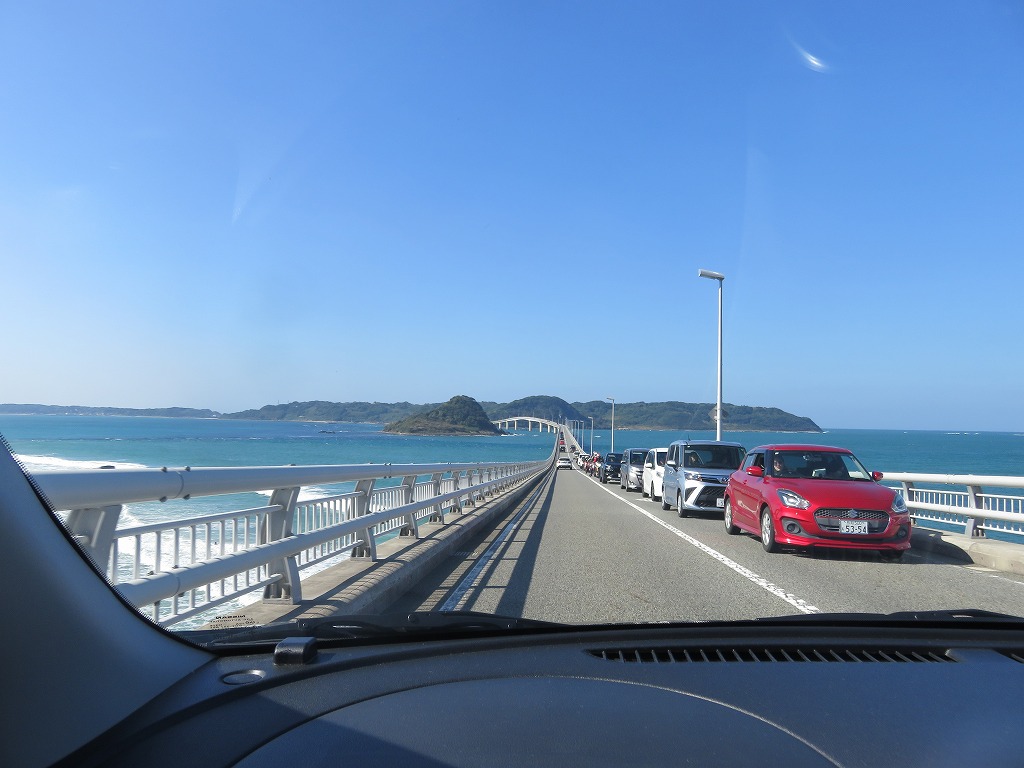

A stunning side view of the bridge can be seen from Hotel Nishi Nagato Resort. This hotel features a day-trip hot spring (onsen), allowing visitors to stop by and enjoy the facilities without an overnight stay.
Location: Kanda to Tsunoshima, Hohoku-cho, Shimonoseki City, Yamaguchi Prefecture
Access: 13-minute walk from the Sezaki-koen Bus Stop (Blue Line Kotsu)
Closed: Open year-round (May be closed during strong winds).
Tsunoshima Lighthouse (Shimonoseki City)
A Magnificent Lighthouse Crafted from Granite
Upon crossing the bridge to Tsunoshima Island, you will find this lighthouse standing near the end of the road. First lit in 1876, it was the first large-scale lighthouse to be established along the coast of the Sea of Japan. Designed by British engineer Richard Henry Brunton, the structure is built entirely of granite and is one of only two unpainted lighthouses remaining in Japan.

Location: 2343 Tsunoshima, Hohoku-cho, Shimonoseki City, Yamaguchi Prefecture
Access: 5-minute walk from the Todai-koen-mae Bus Stop (Blue Line Kotsu).
Hours: 9:00 AM – 5:00 PM (March to September), 9:00 AM – 4:30 PM (October to February)
Closed: Open year-round.
Motonosumi Shrine (Nagato City)
A Stunning Shrine with Red Torii Gates Overlooking the Sea of Japan
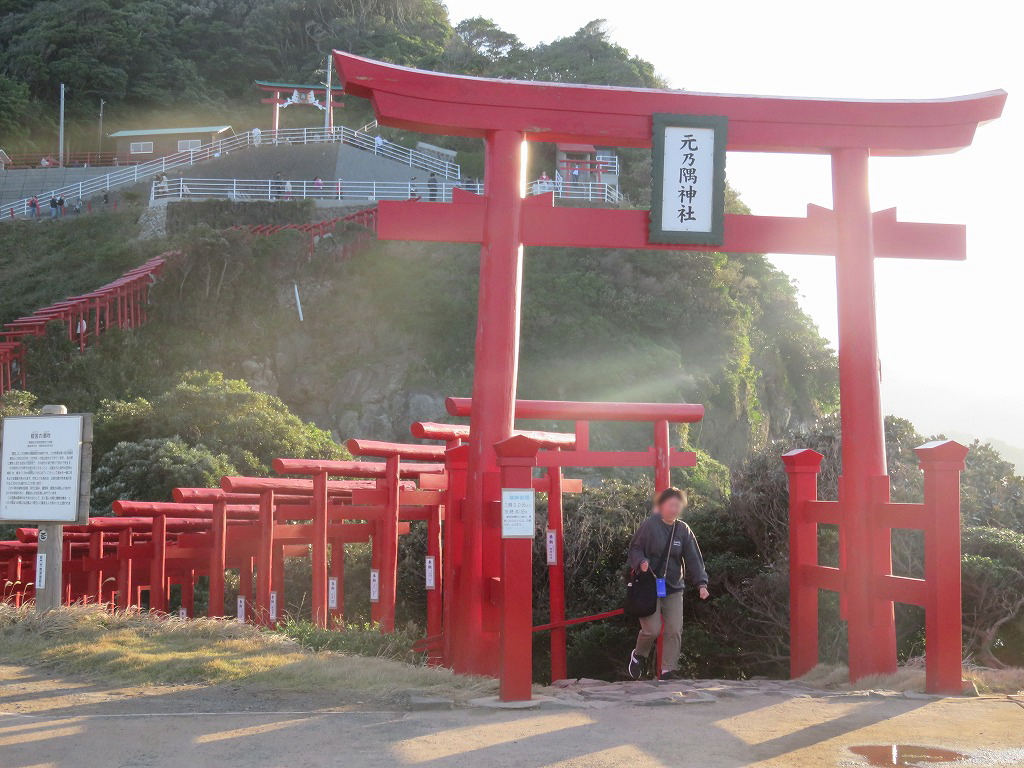
Motonosumi Shrine was founded in 1955 following a divine revelation from a white fox. It features a breathtaking sight of 123 red torii gates winding down a cliff toward the Sea of Japan. The shrine skyrocketed in popularity after being selected as one of “Japan’s 31 Most Beautiful Places” by CNN in 2015.


A unique feature is the offertory box (Saisen-bako) placed at the very top of the 6-meter-high Great Torii gate. It is said that if you successfully toss a coin into this box, your wish will come true.
Location: 498 Yuyatsuo, Nagato City, Yamaguchi Prefecture
Access: Approximately 20 minutes by taxi from JR Nagato-Furuichi Station (Public transport is limited).
Hours: 7:00 AM – 4:30 PM (Entry permitted during daylight hours).
Closed: Open year-round.
Strategic Travel Tips for Yamaguchi’s Top Two Scenic Spots
The two major tourist destinations, Tsunoshima Bridge and Motonosumi Shrine, are incredibly popular. During consecutive holidays, traffic congestion can be so severe that you might not be able to complete your sightseeing. In particular, the road leading to Motonosumi Shrine includes narrow mountain passes where passing oncoming vehicles is difficult. When large tour buses pass through, traffic can come to a complete standstill. In fact, many visitors fail to reach the shrine before its closing time. While a car is the primary means of transportation, consider the “Yamaguchi Happiness Bus: Fuku-no-Tabi Yamaguchi-go” as a convenient alternative. This sightseeing loop bus visits both Tsunoshima Bridge and Motonosumi Shrine, offering a stress-free way to enjoy these stunning locations.
Tanada no Kadan (Terraced Flower Gardens)
A Photogenic Location Perfect for Social Media
Tanada no Kadan is located about a 5-minute drive from Motonosumi Shrine. This project transforms abandoned terraced rice fields (Tanada) into an event space where flowers and herbs are cultivated. Visitors can enjoy a panoramic view of the sea and the terraced fields, with amenities like hammocks and swings available for relaxation.
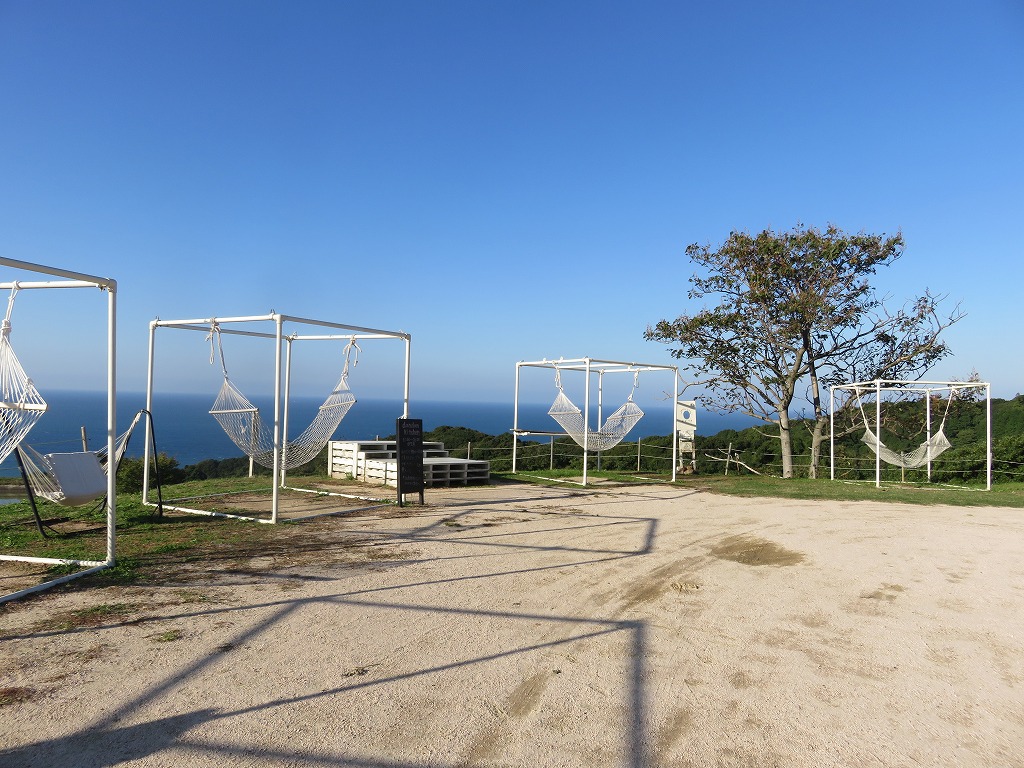

Location: 1766 Yuyahito-maru, Nagato City, Yamaguchi Prefecture
Access: Approx. 50-minute drive from the Mine IC on the Chugoku Expressway.
Shoin Memorial Hall
The Essential History Hub for Your Visit to Hagi
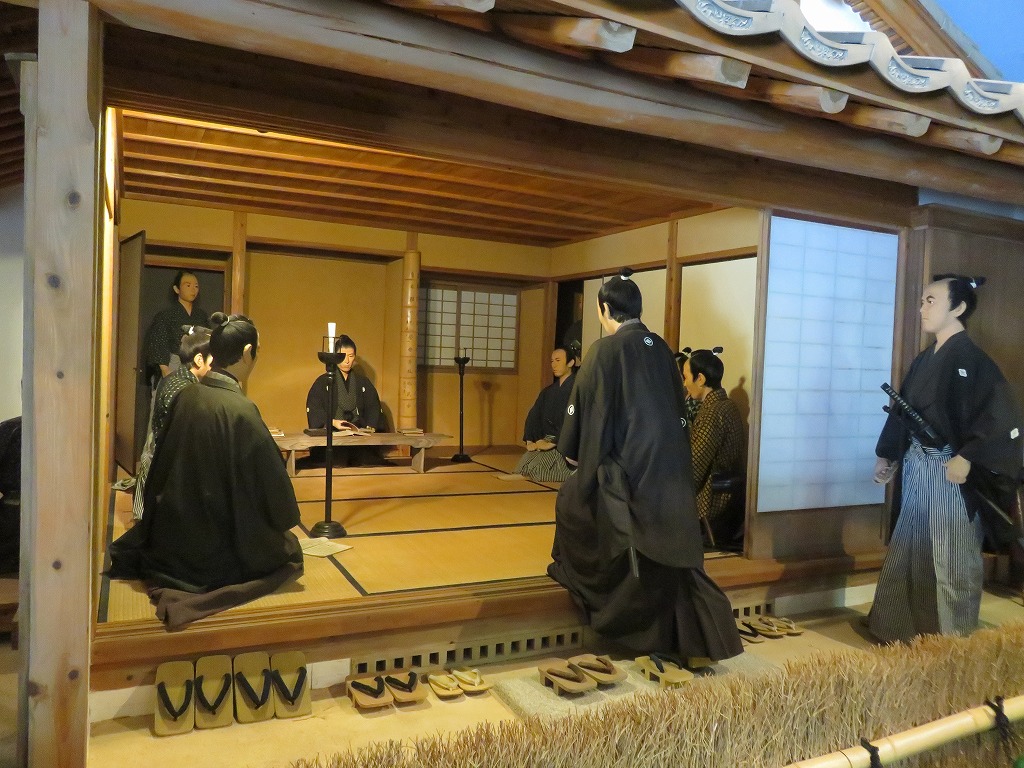
The Shoin Memorial Hall, located near the Roadside Station (Michi-no-Eki) Hagi Okan, offers deep insights into the life of Yoshida Shoin (1830–1859). Shoin was a visionary educator and a spiritual leader who laid the intellectual foundation for the Meiji Restoration, the movement that modernized Japan. Despite his short life, he nurtured a generation of samurai who transformed Japan from a feudal society into a modern global power. The museum features maps of his travels across Japan, personal letters, and a life-sized replica of his famous private school.
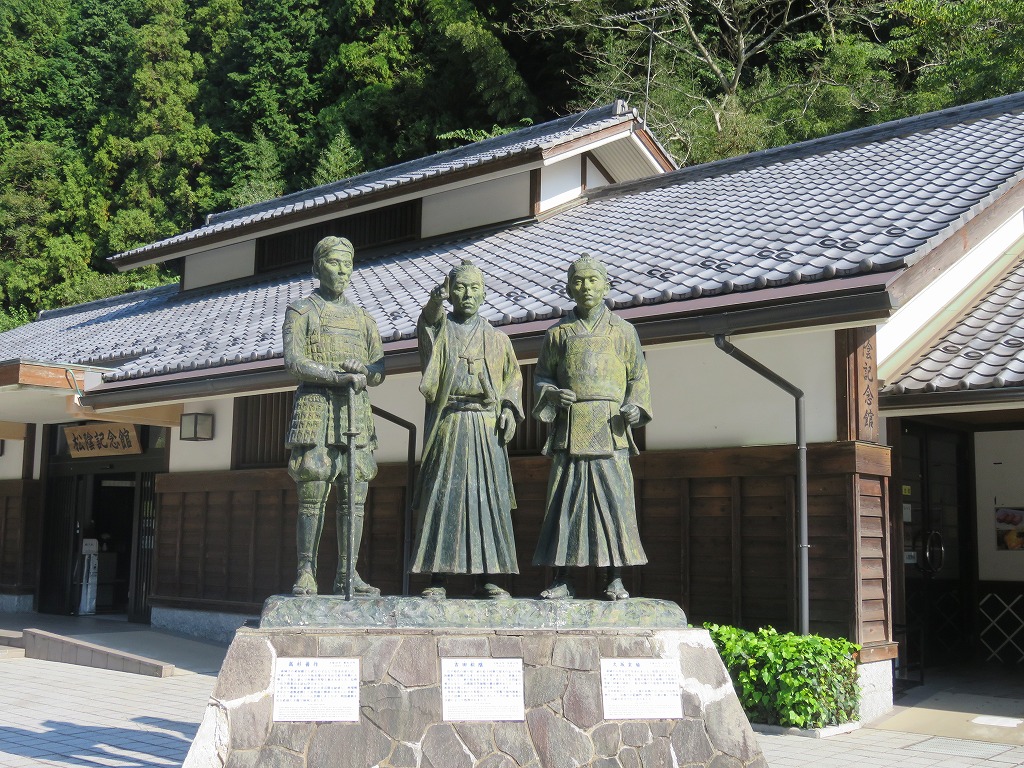
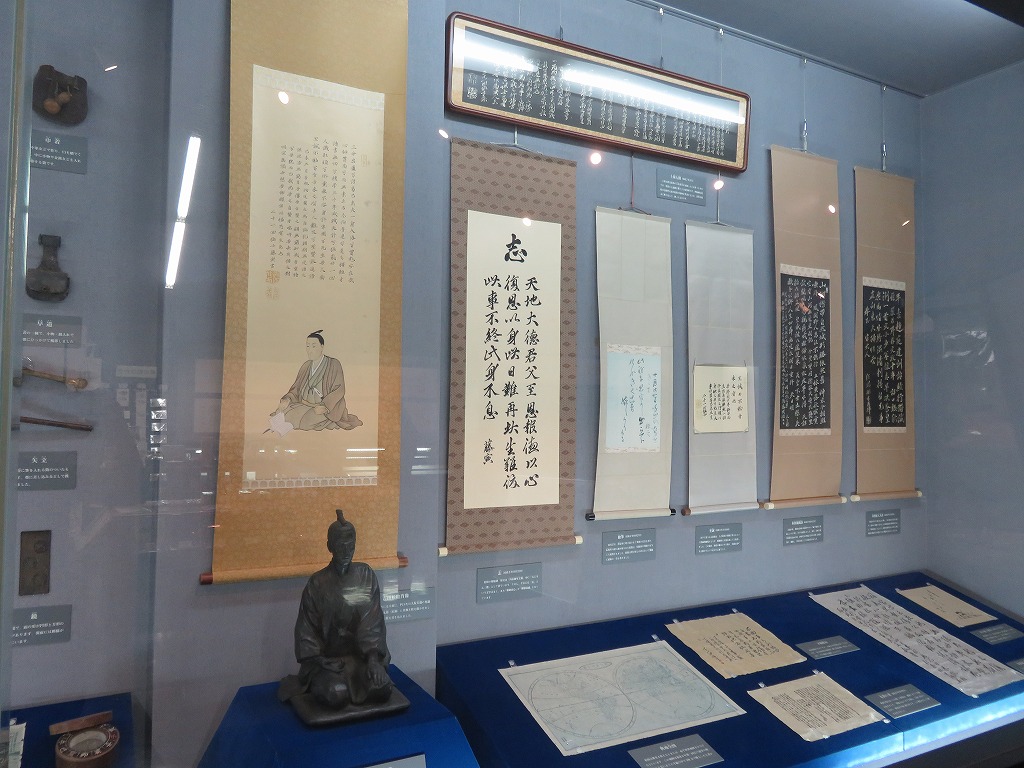
Location: 1258 Kasegasaka, Tsubaki, Hagi City, Yamaguchi Prefecture
Access: 3-minute drive from JR Higashi-Hagi Station
Hours: 9:00 AM – 5:00 PM / Closed: Open year-round.
The Historic Streets of Hagi
Walking the Same Paths as the Patriots of the Meiji Restoration
The Hagi area retains its Edo-period castle town layout, featuring numerous sites associated with the visionary leaders of the Meiji Restoration, such as Yoshida Shoin and Takasugi Shinsaku.
Shoka Sonjuku Private School: The Forge of Modern Japan’s Leaders
Shoka Sonjuku was a private academy led by the visionary educator Yoshida Shoin, which produced many influential figures of the late Edo period. It began in 1842 when Shoin’s uncle, Tamaki Bunnoshin, opened a school in his home. The building itself is a humble structure consisting of just two tatami rooms and an earthen floor (Doma).
Shoin accepted students regardless of their social rank, and during a brief period of just over a year, he nurtured many exceptional talents who became the driving force behind the Meiji Restoration and the new government. His students included Takasugi Shinsaku (the military genius), Hirobumi Ito (Japan’s first Prime Minister), Aritomo Yamagata (the founder of the modern army), and Kusaka Genzui (a brilliant strategist). The school was named after the local area, which was known at the time as Matsumoto Village.


Location: Inside Shoin Shrine, 1537 Chinto, Hagi City, Yamaguchi Prefecture
Access: 1-minute walk from the “Shoin Jinja-mae” bus stop (Hagi Ma-ru Bus, East Loop).
Viewings: The exterior can be viewed freely at any time.
Former Residence of Yoshida Shoin (Place of Confinement)
This nationally designated historic site was the family home of the Sugi family, into which Yoshida Shoin was born. It is a one-story wooden building with a tiled roof, covering 214 square meters. After failing in his attempt to board a foreign ship to study abroad, Shoin was imprisoned in Hagi’s Noyama Prison. Following his release, he was ordered to remain under house arrest in a small room of just 3.5 tatami mats (about 5.7 square meters) within this residence.


Location: Inside Shoin Shrine, 1537 Chinto, Hagi City, Yamaguchi Prefecture
Access: 1-minute walk from the “Shoin Jinja-mae” bus stop (Hagi Ma-ru Bus, East Loop).
Viewings: The exterior can be viewed freely at any time.
Former Residence of Hirobumi Ito
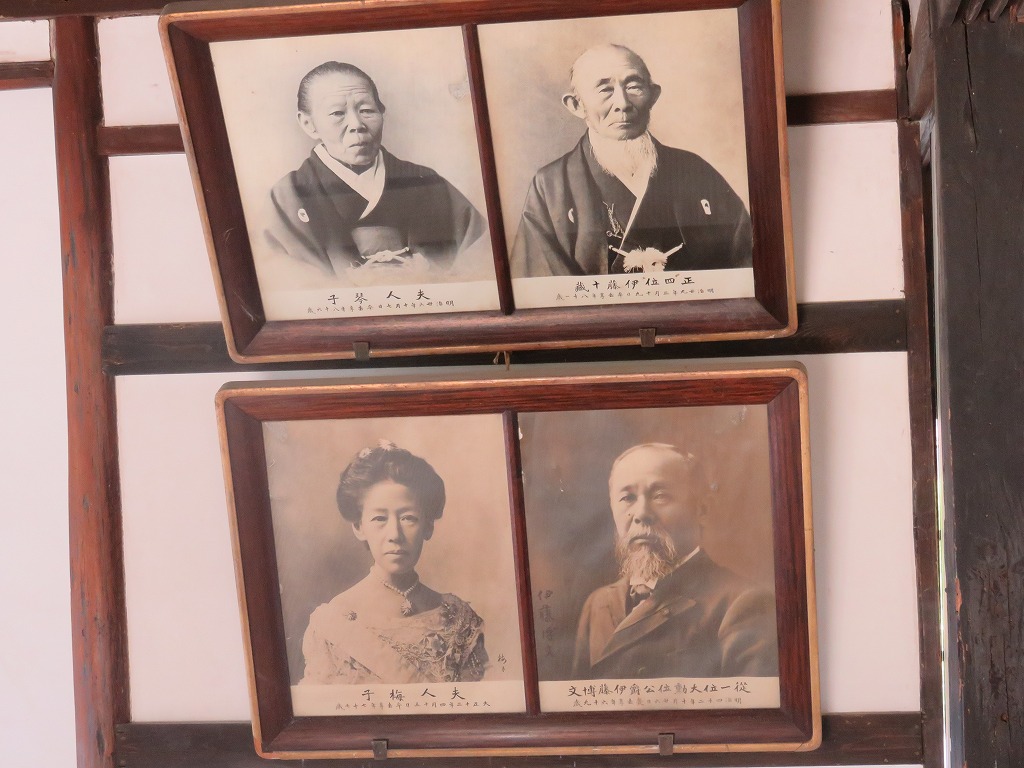
Hirobumi Ito was Japan’s first Prime Minister, who played a central role in establishing the nation during the Meiji period. This humble thatched-roof cottage is where he lived from the age of 14 to 28, ever since his father joined the Ito family in 1854. In 1857, Ito entered the Shoka Sonjuku private academy through an introduction. His mentor, Yoshida Shoin, recognized his potential, evaluating him as someone who “has the talent to become an excellent political mediator (Shusenka).”

Location: 1515 Chinto, Hagi City, Yamaguchi Prefecture
Access: 4-minute walk from the “Shoin Jinja-mae” bus stop (Hagi Ma-ru Bus, East Loop).
Hours: 9:00 AM – 5:00 PM.
Kawara Soba: Yamaguchi’s Signature Local Soul Food
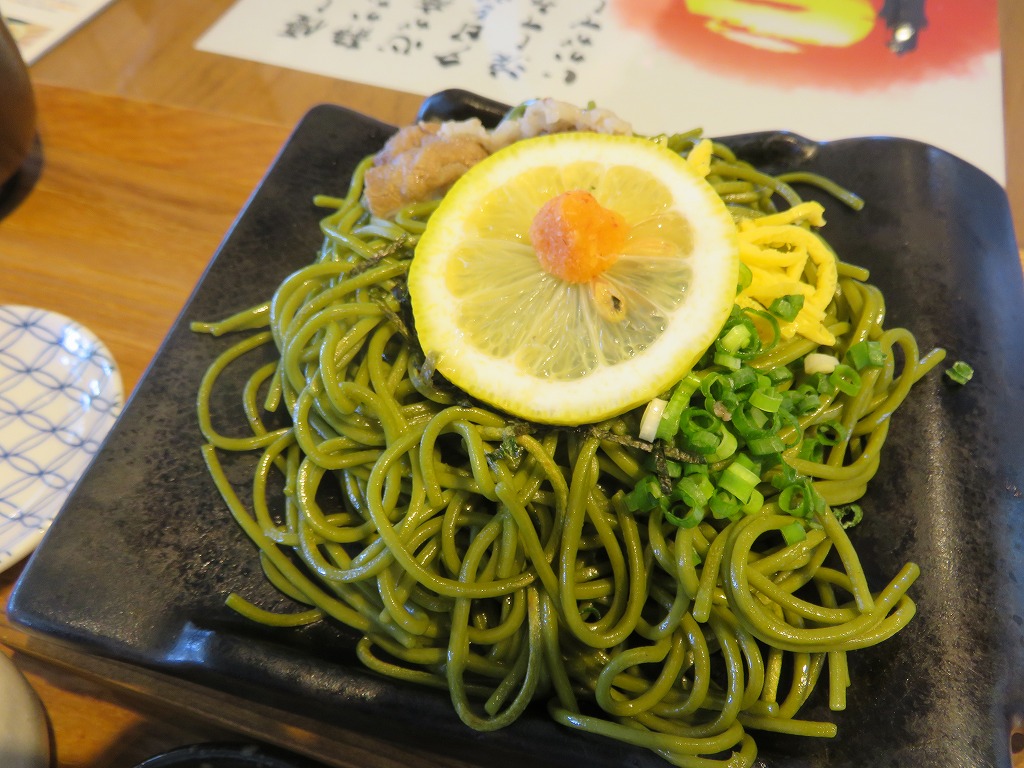
Essential Ingredients: Tea Soba Noodles (Green Tea Noodles), Shredded Egg, Simmered Beef, and Chopped Green Onions.
Kawara Soba is a unique dish served on a sizzling hot roof tile (Kawara). Topped with tea soba, eggs, and beef, it is eaten by dipping the ingredients into a warm soy-based sauce. It is typically garnished with lemon and spicy grated radish (Momiji-oroshi), allowing you to enjoy a delightful change in flavor. Created around 1961, the dish was inspired by a legend that soldiers during the Seinan Civil War used roof tiles to cook wild plants and meat during battles. Though relatively new in history, it has become an iconic soul food representing Yamaguchi.
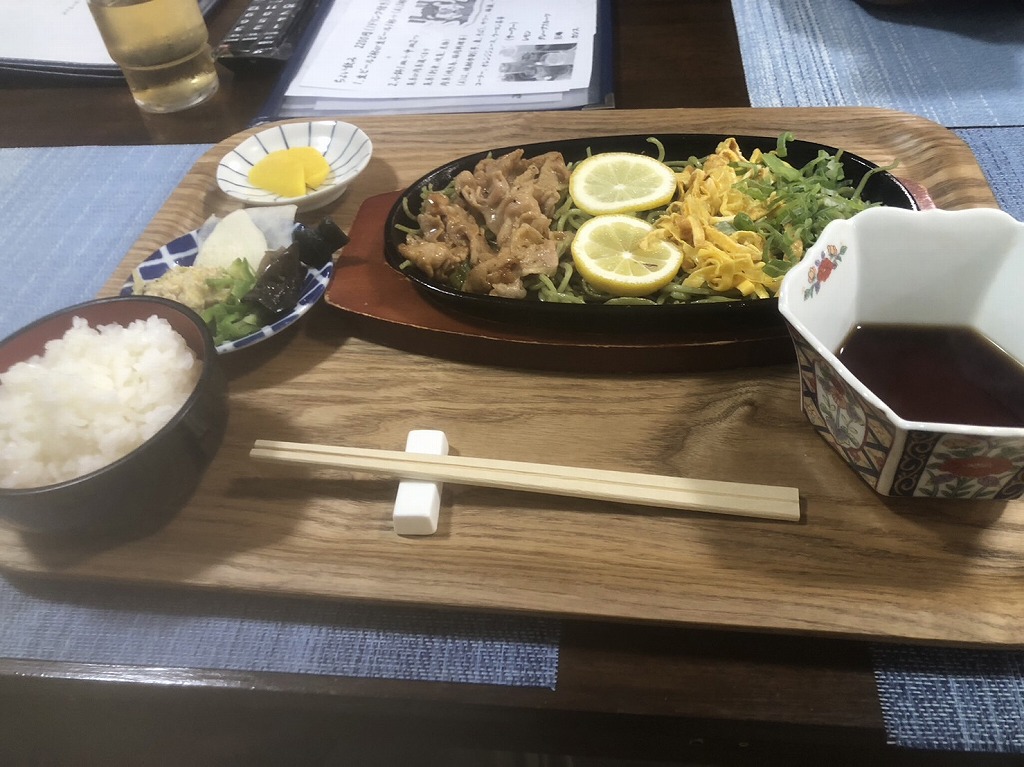
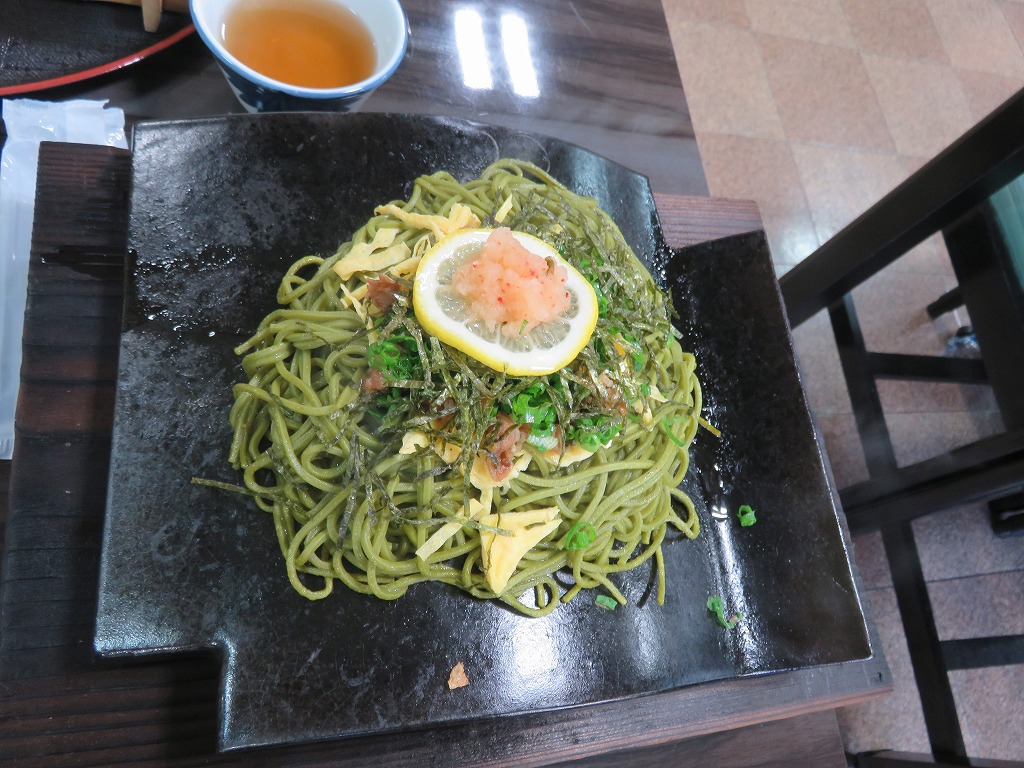
Kawara Soba can be enjoyed throughout Yamaguchi Prefecture. The combination of the fragrant, crispy noodles and the refreshing sauce makes it a strangely addictive taste.